Life and Works of Rizal

José Protacio Rizal Mercado y Alonso Realonda
Activist, Journalist, Poet, Doctor (1861–1896)José Rizal called for peaceful reform of Spain's colonial rule in the Philippines. After his 1896 execution, he became an icon for the nationalist movement.
The Rizal Family
THE SURNAME
Mercado was the original surname of the Rizal family. Domingo Lamco, Jose's great-great-grandfather, adopted the name Rizal in 1731 and it became a second surname of the family. In Jose's letter to Ferdinand Blumentritt, he says:
"I am the only Rizal in because at home my parents, my sisters my brother, and my relatives have always preferred our old surname Mercado. Our family name was in fact Mercado, but there were many Mercados in the Philippines who are not related to us. It is said that an alcalde mayor, who was a friend of our family added Rizal to our name. My family did not pay much attention to this, but now I have to use it. In this way, it seems that I am an illegitimate son."
 Francisco Mercado, father
Don Francisco Rizal Mercado was born on May 11, 1818 and was the youngest of his 13 siblings. Mercado was a well respected man in their home town of Calamba in which citizens made him the their "cabeza de barangay" (head of town.) He was of part Chinese descent, having been related to a Chinese entrepreneur by the name of Domingo Lamco. Mercado die shortly after Rizal in the home of his daughter, Narcisa Rizal in Binondo, Manila on January 5, 1898.
Francisco Mercado, father
Don Francisco Rizal Mercado was born on May 11, 1818 and was the youngest of his 13 siblings. Mercado was a well respected man in their home town of Calamba in which citizens made him the their "cabeza de barangay" (head of town.) He was of part Chinese descent, having been related to a Chinese entrepreneur by the name of Domingo Lamco. Mercado die shortly after Rizal in the home of his daughter, Narcisa Rizal in Binondo, Manila on January 5, 1898.
 Teodora Alonso, mother
Dona Teodora Alonso was born on November 14, 1827 in Santa Cruz Manila. Her parents were Lorenzo Alonso, a municipal captain and Brijida de Quintos, an educated housewife and had four other siblings . It is said that her great grandfather, Eugenio Ursua was of Japanese ancestry making her of Japanese descent. When Teodora was 20 years old, she married Francisco Mercado, a native from Binan, Laguna. Together they prospered in Calamba after involving themselves in business and agriculture. She was known to be a hardworking, intelligent, business minded woman. She died in 1913 in Manila.
Teodora Alonso, mother
Dona Teodora Alonso was born on November 14, 1827 in Santa Cruz Manila. Her parents were Lorenzo Alonso, a municipal captain and Brijida de Quintos, an educated housewife and had four other siblings . It is said that her great grandfather, Eugenio Ursua was of Japanese ancestry making her of Japanese descent. When Teodora was 20 years old, she married Francisco Mercado, a native from Binan, Laguna. Together they prospered in Calamba after involving themselves in business and agriculture. She was known to be a hardworking, intelligent, business minded woman. She died in 1913 in Manila.
 Saturnina Hidalgo, sister
Saturnina Mercado Rizal Hidalgo was born in 1818 and was the eldest sister of Jose Rizal. She had five children together with husband Manuel T. Hidalgo and died the same year as her mother in 1913.
Saturnina Hidalgo, sister
Saturnina Mercado Rizal Hidalgo was born in 1818 and was the eldest sister of Jose Rizal. She had five children together with husband Manuel T. Hidalgo and died the same year as her mother in 1913.
 Paciano Rizal, brother
General Paciano Mercado Rizal aka "Lolo Ciano" was the only brother of Jose Rizal. He was born in 1851 and studied in Binan later attending school at the Colegio de San Jose in Manila. After the execution of his brother, he joined in the Philippine Revolution where he rose up to the ranks of a General. He later married Severina Decena of Los Banos and had two children of which one died at an early age. Paciano passed away in 1930.
Paciano Rizal, brother
General Paciano Mercado Rizal aka "Lolo Ciano" was the only brother of Jose Rizal. He was born in 1851 and studied in Binan later attending school at the Colegio de San Jose in Manila. After the execution of his brother, he joined in the Philippine Revolution where he rose up to the ranks of a General. He later married Severina Decena of Los Banos and had two children of which one died at an early age. Paciano passed away in 1930.
 Narcisa Lopez, sister
Narcisa Rizal Lopez was born in 1852 and was the one who found the unmarked grave of her brother, Jose in the abandoned Old Paco Cemetery. Narcisa married Antonio Lopez who was a teacher and musician from Morong, Rizal. She died in 1938.
Narcisa Lopez, sister
Narcisa Rizal Lopez was born in 1852 and was the one who found the unmarked grave of her brother, Jose in the abandoned Old Paco Cemetery. Narcisa married Antonio Lopez who was a teacher and musician from Morong, Rizal. She died in 1938.
 Olympia Ubaldo, sister
Olympia Rizal Ubaldo was born in 1855. She married Silvestre Ubaldo and together they had three children. She died in 1887 when she was only 32 years old.
Olympia Ubaldo, sister
Olympia Rizal Ubaldo was born in 1855. She married Silvestre Ubaldo and together they had three children. She died in 1887 when she was only 32 years old.
 Lucia Herbosa, sister
Lucia Rizal Herbosa was born in 1857. She married Mariano Herbosa and had 5 children together. In 1889 Mariano died due to an epidemic but was denied a Christian burial. This was due to the fact that he was the brother in law of Jose Rizal. This showed the beginning of the persecution of the Rizal family by Spanish friars. Lucia died in 1919.
Lucia Herbosa, sister
Lucia Rizal Herbosa was born in 1857. She married Mariano Herbosa and had 5 children together. In 1889 Mariano died due to an epidemic but was denied a Christian burial. This was due to the fact that he was the brother in law of Jose Rizal. This showed the beginning of the persecution of the Rizal family by Spanish friars. Lucia died in 1919.
 Maria Cruz, sister
Maria Cruz Rizal was born in 1855. She married Daniel Faustino Cruz of Binan, Laguna and together they had 5 children. Mauricio Cruz, one of Maria's children became a student of Jose Rizal in Dapitan and was known to be one of his uncle's favorites. Maria was a known recipient of many od Jose's letters during his lifetime. Maria died in 1945.
Maria Cruz, sister
Maria Cruz Rizal was born in 1855. She married Daniel Faustino Cruz of Binan, Laguna and together they had 5 children. Mauricio Cruz, one of Maria's children became a student of Jose Rizal in Dapitan and was known to be one of his uncle's favorites. Maria was a known recipient of many od Jose's letters during his lifetime. Maria died in 1945.
 Concepcion Rizal, sister
Concepcion Rizal was born in 1862. Concepcion did not live very long as she died at the age of 3 in 1865.
Concepcion Rizal, sister
Concepcion Rizal was born in 1862. Concepcion did not live very long as she died at the age of 3 in 1865.
 Josefa Rizal, sister
Josefa Rizal was born in 1865. She was unmarried lived together with sister Trinidad until death. Josefa was said to have suffered from epilepsy. She died in 1945.
Josefa Rizal, sister
Josefa Rizal was born in 1865. She was unmarried lived together with sister Trinidad until death. Josefa was said to have suffered from epilepsy. She died in 1945.
 Trinidad Rizal, sister
Trinidad Rizal was born in 1868. She remained unmarried and lived together with her sister Josefa. Trinidad was the one who recieved an alcohol lamp from brother Jose, in which he secretly hid the "Last Farewell" better known as "Mi Ultimos Adios," a poem Rizal wrote on the eve of his death in 1896. Trinidad died in 1951, outliving all her siblings.
Trinidad Rizal, sister
Trinidad Rizal was born in 1868. She remained unmarried and lived together with her sister Josefa. Trinidad was the one who recieved an alcohol lamp from brother Jose, in which he secretly hid the "Last Farewell" better known as "Mi Ultimos Adios," a poem Rizal wrote on the eve of his death in 1896. Trinidad died in 1951, outliving all her siblings.
 Soledad Quintero, sister
Soledad Rizal Quintero was born in 1870 making her the youngest of the Rizal siblings. She married Pantaleon Quintero and together they had 5 children. Soledad died in 1929.
Rizal Favorite Books
 1. The Count of Monte Cristo
Jose created sculptures out of terracotta clay -- the young women in Oyang Dapitana; a fierce and frightening Wild Boar, and his pet dog Syria attacking an alligator in Mother's Revenge.

2. Uncle Tom's Cabin
Rizal was deeply affected by Harriet Beecher Stowe's "Uncle Tom's Cabin" and Eugene Sue's "The Wandering Jew".The two books aroused his sympathy for the oppressed and unfortunate people.

3. The Wandering Jew
Rizal was deeply affected by Harriet Beecher Stowe's "Uncle Tom's Cabin" and Eugene Sue's "The Wandering Jew".The two books aroused his sympathy for the oppressed and unfortunate people.
Rizal as Lovers

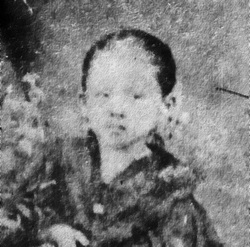
Rizal Favorite Books

1. The Count of Monte Cristo
Jose created sculptures out of terracotta clay -- the young women in Oyang Dapitana; a fierce and frightening Wild Boar, and his pet dog Syria attacking an alligator in Mother's Revenge.
2. Uncle Tom's Cabin
3. The Wandering Jew
Rizal was deeply affected by Harriet Beecher Stowe's "Uncle Tom's Cabin" and Eugene Sue's "The Wandering Jew".The two books aroused his sympathy for the oppressed and unfortunate people.
Segunda Katigbak
Who she is: Segunda was the sister of Mariano Katigbak, Rizal's friend and classmate. She studied in La Concordia College, where Rizal's sister Olympia also studied.
How they met: Some say the two met in Trozo, Manila, while others say it was in Lipa, Batangas. Given that Segunda studied in the same school as Rizal's sister, he did the most logical thing: visit La Concordia College more frequently, ostensibly to see his sister, but primarily to get a glimpse of the girl he described as having "eloquent eyes, rosy cheeks, and a smile that reveals very beautiful teeth."
How it ended: The story goes that Rizal told Segunda that he was returning home to Calamba for the New Year. He added that he might see her when her steamer docks at Biñan and she passes through Calamba on her way to Lipa. He waited for her and he did see her pass by on a carriage-in fact, she even waved to him-but instead of following her, he chose to go home.
Leonor Valenzuela
Who she is: Leonor or "Orang" was his neighbor when he stayed in Intramuros while studying at the University of Sto. Tomas.
How they met: Being neighbors gave Rizal plenty of opportunities to find some reason to hang out with Orang whether or not there was an occasion for them to meet up. He wrote love letters to her in invisible ink, and it's been speculated that he did so to cover up his indiscretion, as he was also pursuing his next love, Leonor Rivera, at the time.
How it ended: Without tears or fanfare. Rizal may have been besotted with Orang, but it's likely that Orang didn't feel the same way about him. She went on with her life, entertaining other suitors, and not even shedding a tear when Rizal left the country.
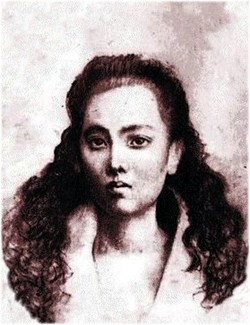
Leonor Rivera
Who she is: Leonor was the daughter of a cousin of Rizal's father, making her Rizal's cousin and his childhood sweetheart.
How they met: They met in Manila when Leonor was 13 years old, and even as Rizal left for Europe two years later, the two kept up their correspondence, which supposedly kept Rizal inspired during his studies.
How it ended: Rizal’s letters to Leonor went unacknowledged for a whole year, as Leonor married Henry Charles Kipping, an English railway engineer-but not because she wanted to. Her mother preferred Kipping over Rizal, and to convince Leonor to marry Kipping, she said Rizal was engaged to Ferdinand Blumentritt's daughter.
Consuelo Ortiga y Rey
Who she is: The most that can be dug up about Consuelo is that she was the daughter of Don Pablo Ortiga, a former mayor of Manila.
How they met: Consuelo wrote in her diary that she first met Rizal in Madrid on September 16, 1882, and apparently they talked the whole night (always a promising start to any relationship). Sources say she had a penchant for asking Rizal to write her poems and verses, and he would happily comply. The most well-known of these is entitled A La Señorita C.O. y R.
How it ended: Circumstances happened. One of Rizal's compatriots, Eduardo de Lete, apparently had his eye on Consuelo, which forced Rizal to back out of whatever budding relationship he had with her. Also, he was still engaged to Leonor Rivera, which he probably should have thought of before even considering starting something with another woman.
Seiko Usui
Who she is: Seiko Usui, who Rizal called "O-Sei-San," worked at the Spanish Legation in Tokyo. She was 23 years old when she met the 27-year-old Rizal.
How they met: Rizal started working at the Spanish Legation in February 1888. Seiko caught his eye one afternoon while she was walking in the garden, and Rizal found out from a gardener who she was. Given that Seiko spoke both English and French, she and Rizal managed to strike up a friendship and eventually a relationship, and she taught him Japanese as well. Dates were spent exploring parks, shrines, and museums such as the Imperial Art Gallery.
How it ended: After a month-long relationship, Rizal had to leave for San Francisco in April 1888.
Gertrude Beckett
Who she is: Nicknamed "Gettie" by Rizal, Beckett was the daughter of Charles Beckett, who was Rizal's landlord when he stayed in London, England in May 1888.
How they met: After his stay in the US, Rizal headed to London and stayed in the boarding house run by Charles Beckett. Gettie was apparently keen on Rizal, helping him with his artwork. Supposedly, her assistance helped Rizal finish his works, namely, 'Prometheus Bound', 'The Triumph of Death over Life,' and 'The Triumph of Science over Death.'
How it ended: It's pretty safe to say that nothing really happened between them in the first place, save for the crush Gettie had on "Pettie" (this was her nickname for Rizal). Some sources say that it was only Gettie who wanted more out of their friendship, while others say that Rizal got cold feet, which made him decide to leave London for Paris in March 1889, possibly in an effort to let Gettie down easy.
Suzanne Jacoby
Who she is: Suzanne was a Belgian woman who was the niece of the landladies of the boarding house where Rizal stayed in Brussels in February 1890.
How they met: Someone keep Rizal away from boarding houses. His six-month stay in the city saw him spending a lot of time with Suzanne, and they attended the city's summertime festival together.
How it ended: It seems that he just wasn’t into her. Rizal left her a box of chocolates, which she didn't even open, possibly to keep as a memento. She wrote him two months later, telling him about the unopened box of chocolates and urging him to hurry back. In another letter she sent him, Suzanne wondered if Rizal even thought about her, and resigned herself to the fact that she might not see him again. He ended up returning to Brussels in April 1891, but only so he could keep working on El Filibusterismo.
Nellie Boustead
Who she is: Nellie was the daughter of British businessman Eduardo Boustead and was half-Filipina. She was also the fiancée of Antonio Luna.
How they met: Rizal had been friends with her family, and he used to fence with Nellie and her sister Adelina at Juan Luna's studio. In February 1891, Rizal stayed at the Villa Eliada, the Bousteads' winter residence in Biarritz on the French Riviera. Apparently, it got to the point where Rizal actually considered proposing to Nellie, although it might have been the rebound blues talking; at the time, he had just learned that Leonor Rivera got married to someone else, which probably prompted him to think, "Hey, you know what? I'm gonna get married too! That'll show her!"
How it ended: Nellie wanted Rizal to convert to Protestantism, and her mother didn't approve of a man who didn't have the capacity to give her daughter a good life. But it didn't end in tears, as the two had a pretty amicable breakup and she even wished him well in a letter as he was about to leave Europe.
Josephine Bracken
Who she is: Born in Hong Kong to Irish parents, Josephine was the wife of Rizal; he called her "dulce extranjera."
How they met: Josephine, together with her adoptive father George Taufer, sailed to the Philippines and then to Dapitan to see Rizal, as Taufer's eyes required medical attention and Rizal had already developed an impressive reputation as an eye specialist. Josephine and Rizal eventually fell in love, although Rizal's sisters thought she was a spy for the Spanish, and they lived together in Barangay Talisay in Dapitan. Their son Francisco was stillborn.
How it ended: After Rizal's death, Josephine returned to Hong Kong and lived with her father. In 1900, she married Vicente Abad and they had a daughter named Dolores. Josephine died of tuberculosis at the age of 25. Others say she actually returned to the Philippines and lived in Cebu with her husband and taught English at various institutions.
Rizal's House
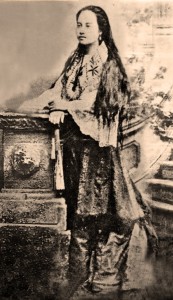
Segunda Katigbak
Who she is: Segunda was the sister of Mariano Katigbak, Rizal's friend and classmate. She studied in La Concordia College, where Rizal's sister Olympia also studied.
How they met: Some say the two met in Trozo, Manila, while others say it was in Lipa, Batangas. Given that Segunda studied in the same school as Rizal's sister, he did the most logical thing: visit La Concordia College more frequently, ostensibly to see his sister, but primarily to get a glimpse of the girl he described as having "eloquent eyes, rosy cheeks, and a smile that reveals very beautiful teeth."
How it ended: The story goes that Rizal told Segunda that he was returning home to Calamba for the New Year. He added that he might see her when her steamer docks at Biñan and she passes through Calamba on her way to Lipa. He waited for her and he did see her pass by on a carriage-in fact, she even waved to him-but instead of following her, he chose to go home.
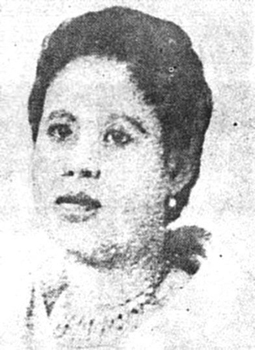
Leonor Valenzuela
Who she is: Leonor or "Orang" was his neighbor when he stayed in Intramuros while studying at the University of Sto. Tomas.
How they met: Being neighbors gave Rizal plenty of opportunities to find some reason to hang out with Orang whether or not there was an occasion for them to meet up. He wrote love letters to her in invisible ink, and it's been speculated that he did so to cover up his indiscretion, as he was also pursuing his next love, Leonor Rivera, at the time.
How it ended: Without tears or fanfare. Rizal may have been besotted with Orang, but it's likely that Orang didn't feel the same way about him. She went on with her life, entertaining other suitors, and not even shedding a tear when Rizal left the country.
Leonor Rivera
Who she is: Leonor was the daughter of a cousin of Rizal's father, making her Rizal's cousin and his childhood sweetheart.
How they met: They met in Manila when Leonor was 13 years old, and even as Rizal left for Europe two years later, the two kept up their correspondence, which supposedly kept Rizal inspired during his studies.
How it ended: Rizal’s letters to Leonor went unacknowledged for a whole year, as Leonor married Henry Charles Kipping, an English railway engineer-but not because she wanted to. Her mother preferred Kipping over Rizal, and to convince Leonor to marry Kipping, she said Rizal was engaged to Ferdinand Blumentritt's daughter.
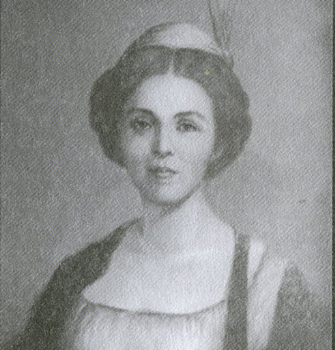
Consuelo Ortiga y Rey
Who she is: The most that can be dug up about Consuelo is that she was the daughter of Don Pablo Ortiga, a former mayor of Manila.
How they met: Consuelo wrote in her diary that she first met Rizal in Madrid on September 16, 1882, and apparently they talked the whole night (always a promising start to any relationship). Sources say she had a penchant for asking Rizal to write her poems and verses, and he would happily comply. The most well-known of these is entitled A La Señorita C.O. y R.
How it ended: Circumstances happened. One of Rizal's compatriots, Eduardo de Lete, apparently had his eye on Consuelo, which forced Rizal to back out of whatever budding relationship he had with her. Also, he was still engaged to Leonor Rivera, which he probably should have thought of before even considering starting something with another woman.
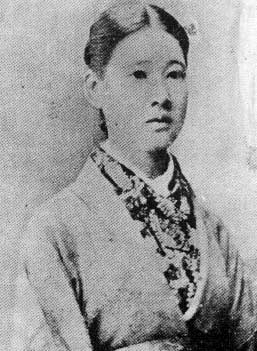
Seiko Usui
Who she is: Seiko Usui, who Rizal called "O-Sei-San," worked at the Spanish Legation in Tokyo. She was 23 years old when she met the 27-year-old Rizal.
How they met: Rizal started working at the Spanish Legation in February 1888. Seiko caught his eye one afternoon while she was walking in the garden, and Rizal found out from a gardener who she was. Given that Seiko spoke both English and French, she and Rizal managed to strike up a friendship and eventually a relationship, and she taught him Japanese as well. Dates were spent exploring parks, shrines, and museums such as the Imperial Art Gallery.
How it ended: After a month-long relationship, Rizal had to leave for San Francisco in April 1888.
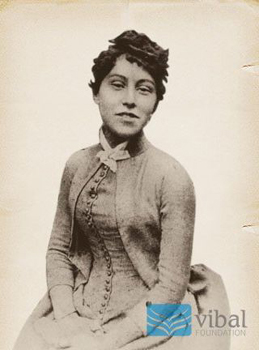
Gertrude Beckett
Who she is: Nicknamed "Gettie" by Rizal, Beckett was the daughter of Charles Beckett, who was Rizal's landlord when he stayed in London, England in May 1888.
How they met: After his stay in the US, Rizal headed to London and stayed in the boarding house run by Charles Beckett. Gettie was apparently keen on Rizal, helping him with his artwork. Supposedly, her assistance helped Rizal finish his works, namely, 'Prometheus Bound', 'The Triumph of Death over Life,' and 'The Triumph of Science over Death.'
How it ended: It's pretty safe to say that nothing really happened between them in the first place, save for the crush Gettie had on "Pettie" (this was her nickname for Rizal). Some sources say that it was only Gettie who wanted more out of their friendship, while others say that Rizal got cold feet, which made him decide to leave London for Paris in March 1889, possibly in an effort to let Gettie down easy.
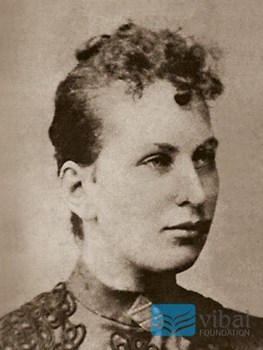
Suzanne Jacoby
Who she is: Suzanne was a Belgian woman who was the niece of the landladies of the boarding house where Rizal stayed in Brussels in February 1890.
How they met: Someone keep Rizal away from boarding houses. His six-month stay in the city saw him spending a lot of time with Suzanne, and they attended the city's summertime festival together.
How it ended: It seems that he just wasn’t into her. Rizal left her a box of chocolates, which she didn't even open, possibly to keep as a memento. She wrote him two months later, telling him about the unopened box of chocolates and urging him to hurry back. In another letter she sent him, Suzanne wondered if Rizal even thought about her, and resigned herself to the fact that she might not see him again. He ended up returning to Brussels in April 1891, but only so he could keep working on El Filibusterismo.
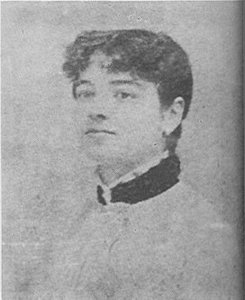
Nellie Boustead
Who she is: Nellie was the daughter of British businessman Eduardo Boustead and was half-Filipina. She was also the fiancée of Antonio Luna.
How they met: Rizal had been friends with her family, and he used to fence with Nellie and her sister Adelina at Juan Luna's studio. In February 1891, Rizal stayed at the Villa Eliada, the Bousteads' winter residence in Biarritz on the French Riviera. Apparently, it got to the point where Rizal actually considered proposing to Nellie, although it might have been the rebound blues talking; at the time, he had just learned that Leonor Rivera got married to someone else, which probably prompted him to think, "Hey, you know what? I'm gonna get married too! That'll show her!"
How it ended: Nellie wanted Rizal to convert to Protestantism, and her mother didn't approve of a man who didn't have the capacity to give her daughter a good life. But it didn't end in tears, as the two had a pretty amicable breakup and she even wished him well in a letter as he was about to leave Europe.
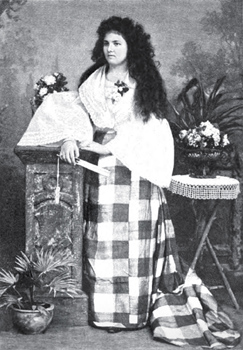
Josephine Bracken
Who she is: Born in Hong Kong to Irish parents, Josephine was the wife of Rizal; he called her "dulce extranjera."
How they met: Josephine, together with her adoptive father George Taufer, sailed to the Philippines and then to Dapitan to see Rizal, as Taufer's eyes required medical attention and Rizal had already developed an impressive reputation as an eye specialist. Josephine and Rizal eventually fell in love, although Rizal's sisters thought she was a spy for the Spanish, and they lived together in Barangay Talisay in Dapitan. Their son Francisco was stillborn.
How it ended: After Rizal's death, Josephine returned to Hong Kong and lived with her father. In 1900, she married Vicente Abad and they had a daughter named Dolores. Josephine died of tuberculosis at the age of 25. Others say she actually returned to the Philippines and lived in Cebu with her husband and taught English at various institutions.
Rizal's House

Rizal Shrine is one of the most visited historical destinations in Laguna. It is a representation of the birthplace of the country’s national hero in Calamba. The shrine is made up of a full replica of Rizal’s house, including rooms and furniture, a gallery, and a statue of the young Rizal
Rizal Shrine is one of the most visited historical destinations in Laguna. It is a representation of the birthplace of the country’s national hero in Calamba. The shrine is made up of a full replica of Rizal’s house, including rooms and furniture, a gallery, and a statue of the young Rizal

No comments:
Post a Comment